What is the NY IRC?
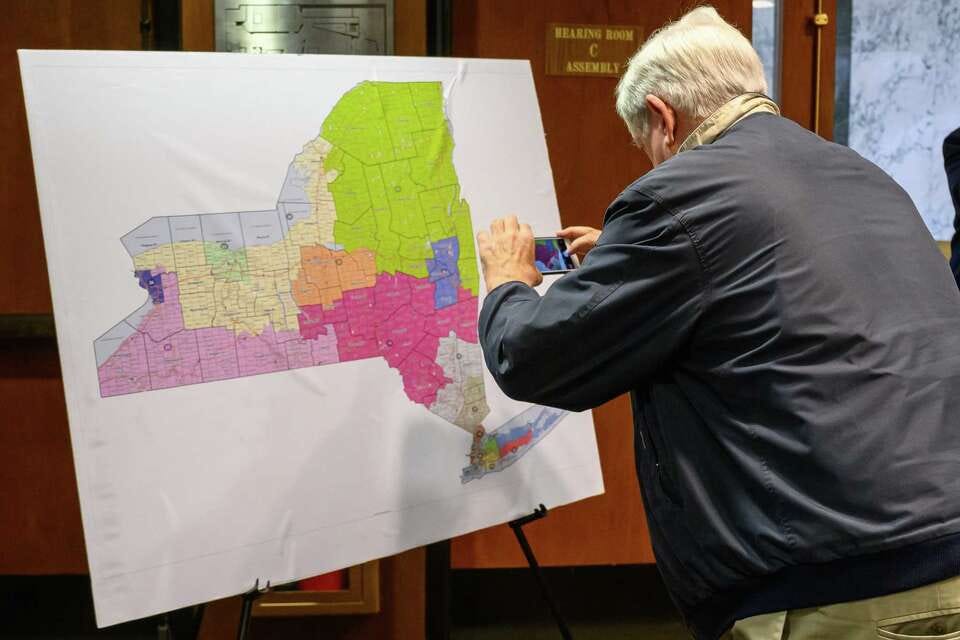
Since 2014, The New York Independent Redistricting Commission has been hearing community input and drafting fair maps independent of the state legislature. It is a bipartisan group made up of 10 members appointed by both parties equally. The commission was first implemented in the 2020 redistricting cycle.
Official Commission Website
Data on The Commission’s Impact
2014
Commission Established
Created by a constitutional amendment, the IRC’s legitimacy is protected by law
265
Community Submissions
265 community members contributed to the IRCs research on how to best represent their localities
10
Bipartisan Members
Appointed equally by either party, the bipartisan group ensures proportionate and representative maps
46
Public Hearings
Since 2021, the IRC has met 46 times with constituents enhancing transparency in mapmaking
The IRC map submission process
The IRC constitutionally is the body that creates maps for each 10 year redistricting cycle. Of these maps include the congressional map for representatives in the federal house of representatives, the state senate, and state assembly. Once the IRC creates a first set of maps, 7 of the 10 board members must approve them to be sent to the legislature. If the legislature passes the maps they are sent to the governor to be signed into law. However, if the legislature or governor (through veto) refuse to pass the 1st set of maps, the IRC must make a 2nd set of maps to go through the same process. If the state legislature or governor refuse to pass the maps again, the legislature must select one of the IRC’s set of maps, completed or in draft form, and edit the districts within two percent of the population. Then the completed set of maps must be passed again and implemented.
Legislatures powers vs IRC powers
While the existence of the IRC is mandated by law, its ability to enforce maps can be restricted, as the IRC’s maps must be approved by the state legislature, and signed into law by the governor. Therefore conflicts of interests between the IRC, trying to create fair maps, and a partisan legislature, motivated by manipulating districts can cause a deadlock, preventing the IRC from passing any of its maps leading to the legislature drawing its own, circumventing the entire system. These jurisdictional issues led to the court cases of Harkenrider vs Hochul and Hoffman vs IRC.
Commissioners and Appointments
The Independent Redistricting Commission is composed of 10 commissioners. Two are appointed by the New York State Senate Majority Leader and Temporary President, two by the Senate Minority Leader, two by the Speaker of the Assembly, and two by the Assembly Minority Leader. The remaining two commissioners are chosen by these eight appointees. These final members must not have been registered as Democrats or Republicans within the past five years. In making appointments, legislative leaders have also consulted with organizations dedicated to protecting the voting rights of minority and other communities. All commissioners must be registered voters in New York State. Here are the commissioners and brief bios below.
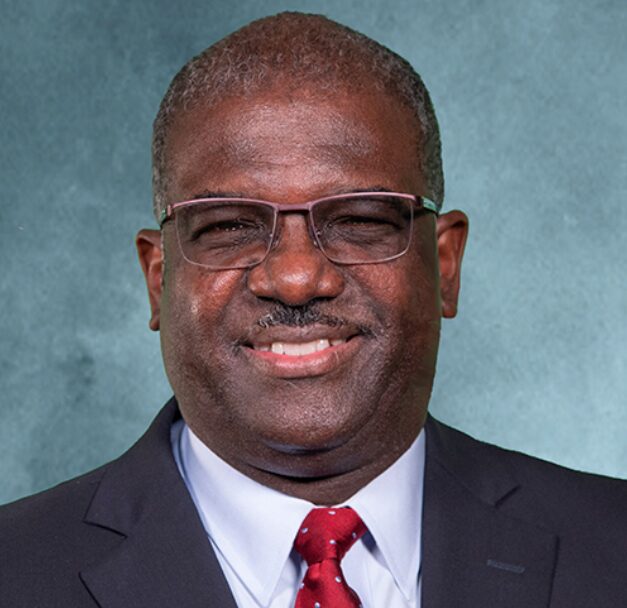
Ken Jenkins
Chair
Ken Jenkins became Westchester County’s tenth and first Black County Executive in January 2025 after serving as Deputy County Executive. Previously, he held four terms on the County Board of Legislators where he worked on affordable child care, tax relief, reproductive rights, and environmental protections. He has long been active in Democratic politics and is a former News 12 Westchester political analyst.
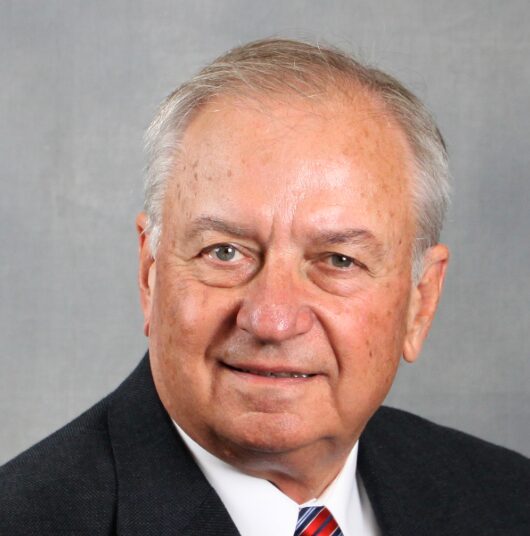
Charles Nesbitt
Vice Chair
Charles Nesbitt served as Minority Leader of the Assembly and President of the State Tax Appeals Tribunal. First elected to the Assembly in 1992, he held key roles on the Ways & Means, Banks, and Veterans Affairs Committees. He also served in the Vietnam war and earned various awards. Beyond government, Nesbitt has worked in business, served on numerous community boards, and is an ordained Presbyterian Elder.
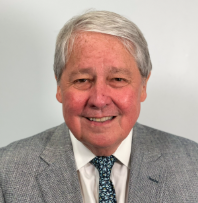
John Conway III
Commissioner
John J. Conway II worked at Regan Goldfarb in New York City and worked at Albany Law School as Assistant Dean. He later served as counsel to Senator Roy Goodman and Senator Dean G. Skelos. He was also Commissioner of the New York State Bill Drafting Commission. Conway continues to practice law independently.
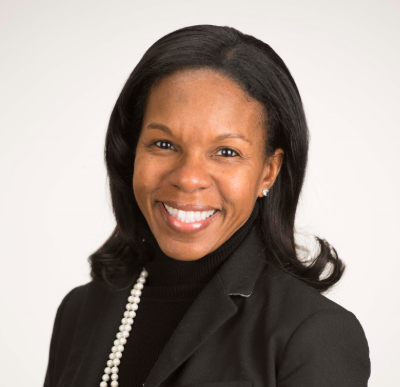
Lisa Harris
Commissioner
Lisa R. Harris is the Director of Business Strategy and Risk at Meta and an adjunct Professor of Law at Albany Law School. She has held senior legal and policy roles in New York State government, including Counsel to the Senate Majority Republican Conference, the Secretary of the Senate, and the Division of Consumer Protection.

Yovan Samuel Collado
Commissioner
Yovan Samuel Collado serves as the Director of Community Relations for the Carpenter Contractor Alliance of Metropolitan New York. He previously worked as Deputy Director of Housing Rights Initiative.
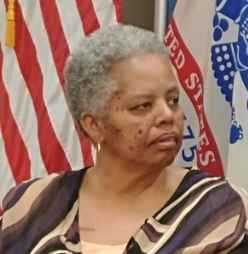
Elaine Frazier*
Commissioner
Elaine Frazier served on the New York State Assembly, and later worked for NY Comptroller Hon. H. Carl McCall. She taught at SUNY Old Westbury, and served on the New York City Board of Education, and the Office of the Bronx Borough President. She most recently served on the Albany City Redistricting Commission.
*Elaine Frazier passed away as of September 3, 2025
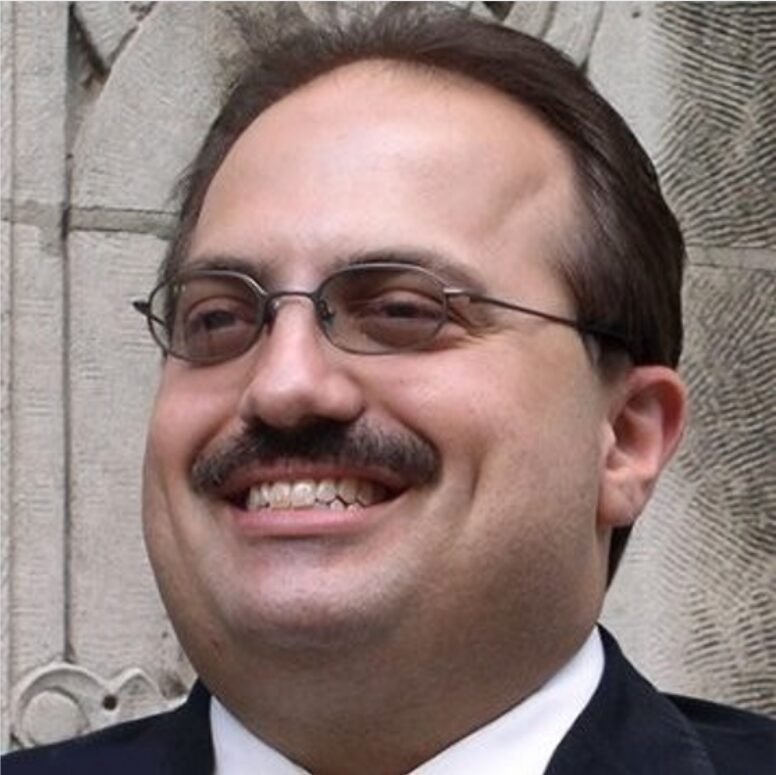
Ross Brady
Commissioner
Ross Brady is an attorney and nonprofit director with a career in immigration law and environmental regulation. He has served as Senior Attorney and Acting Administrator for the Interstate Environmental Commission, Administrator for Union Temple of Brooklyn, and a member of both the NYC and State Independent Redistricting Commissions.
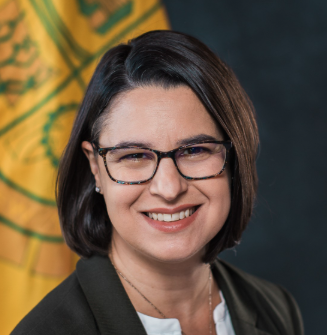
Jamie Romeo
Commissioner
Jamie Romeo is the Monroe County Clerk who also serves as First Vice President of the New York State Association of County Clerks and is a member of the College Council at SUNY Brockport. Previously, she represented the 136th District in the State Assembly, chaired the Monroe County Democratic Committee, worked as Chief of Staff in the State Senate, and served as a longtime staffer in the Monroe County Legislature.

Willis H. Stephens
Commissioner
Willis Stephens began his legal career at Shea & Gould before serving as Assistant Counsel to Senate Majority Leaders Warren Anderson and Ralph Marino. He was Elected to the State Assembly in 1994 serving as Minority Leader Pro Tempore. Since leaving the Assembly, he has practiced law with The Stephens Law Firm and served as Town Attorney for Southeast, NY.
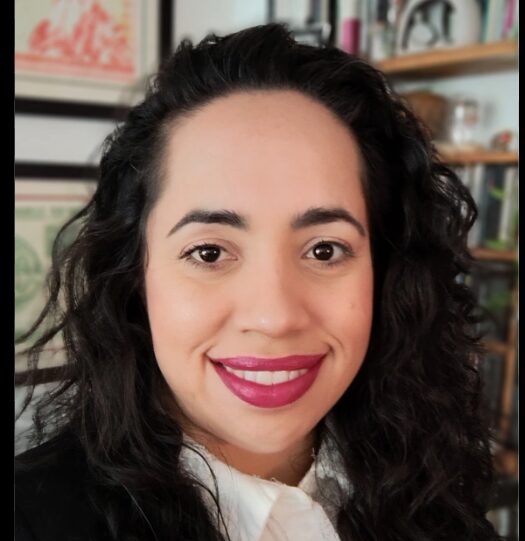
Ivelisse Cuevas‐Molina
Commissioner
Dr. Ivelisse Cuevas-Molina is an Associate Professor of Political Science at Fordham University’s Rose Hill College in the Bronx, where she offers courses on American politics, political participation, Hispanic politics, and racial and ethnic politics in the U.S.
Drawbacks of the IRC
The Commission, while the better alternative to the state legislature, still has its drawbacks. Firstly, it mustn’t deadlock when trying to pass bipartisan maps. In order for a map to be sent to the state legislature and be voted on, the IRC must first get 7 out of 10 of it’s commissioners. Secondly, the commission is weak, and is too beholden to the state who can frequently edit maps if they are not achieving their interests. For example, community submissions come secondhand to the interests of the partisan state government.
Potential Alternatives
An algorithm controlling map creation that creates ideal maps relative to proportionality, compactness, competitiveness, splitting, and minority representation that the state legislature would abide by would be more objective and less contentious than the IRC. Algorithms could seamlessly make hundreds of fair maps seamlessly without the risk of partisan deadlock or deadlines. The legislature could still hold all its jurisdiction over certifying these maps, but they must pick from the objectively fair algorithm. Community input could be used to find communities of interest, ex: City of Buffalo, Onondaga County, telling the algorithm to not split those communities. However the state constitution would have to be altered again, and a perfect model must first exist before implementation

Finding the perfect Algorithm
Find out how data scientists are making the perfect algorithm to create fair maps
NY Redistricting Law
The 2014 amendment to the New York State constitution set up the commission, and created specific rules around the commission such as an anti-gerrymandering clause. The exact laws are dictating the IRC can be found below. The rest, surrounding the role of the state and redistricting rules, can be found on the “NY Redistricting Law” page
IRC Bylaws
Community Based Maps
From 2021-23 the IRC complied nearly 265 submissions to create their maps, here is what constituents submitted

Public Comments
Constituents give input on communities of interest, or specific boundaries that matter
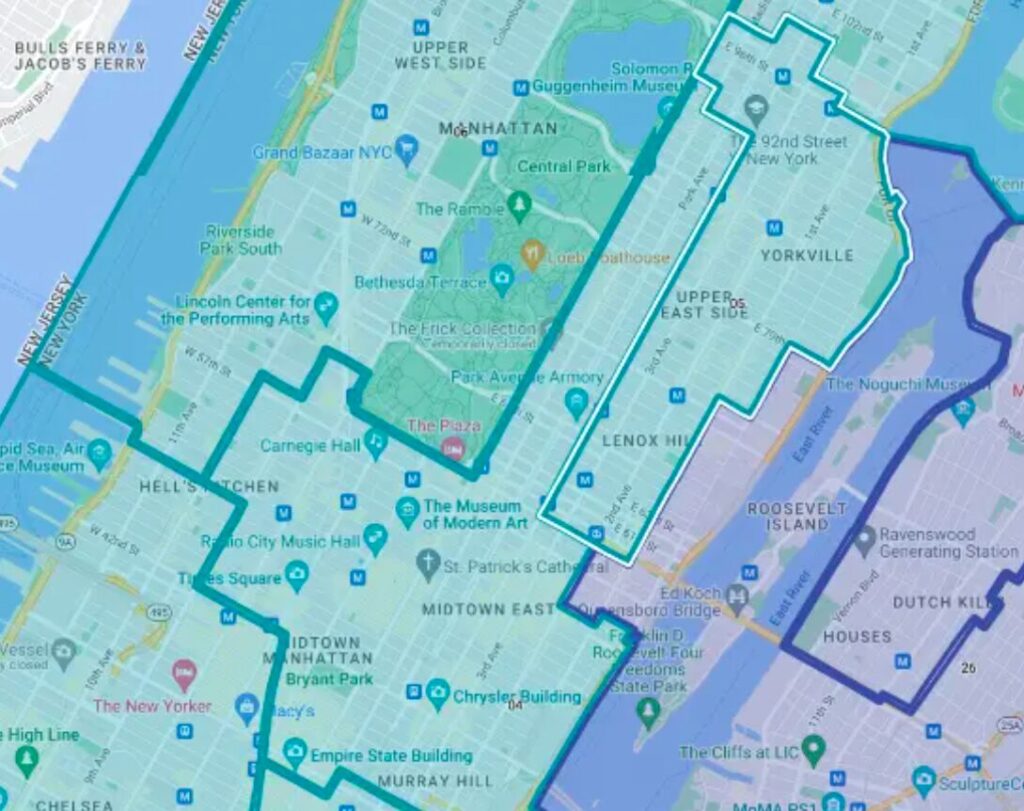
Map Submissions
Entire plans or single district plans with district boundaries and files are submitted
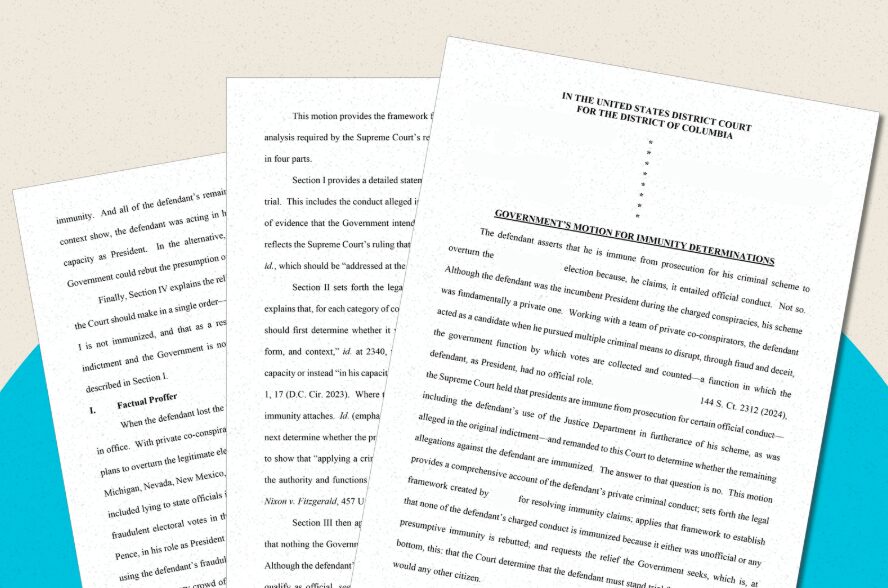
Submitted Testimony
Statements often citing court language using maps to support a claim
*The Community Submission period ended on April 1, 2023 and wont likely be active again until 2031 for the 2030 redistricting cycle.
What can I do if I can’t contribute for years?
Just because New York isn’t redistricting doesn’t mean there is no chance for advocacy for fair maps. 2025 has become a turbulent time for mid-decade redistricting, and it is more important than ever to educate others on fair maps and why gerrymandering hinders representation. Here are some courses of action:
- Keep up with the News– Stay posted, understand the current situation nationally and the potential for redistricting statewide
- Make your own Maps– Tools like Dave’s Redistricting are perfect for engaging in the mapmaking process.
- Vote!– The best way to ensure that districts are representative is to make your voice heard and make it be represented. Vote in the 2026 midterms, and track local elections in your area that may occur in 2025. Find your polling place
- Share this Website– There is a wealth of information here, and if you support NYFRC and our advocacy, share this with others, it helps the community grow!
Court Cases with the IRC
Harkenrider vs Hochul
In February 2022, the Independent Redistricting Commission sent two sets of maps to the state legislature. Both were rejected by the legislature and the IRC was mandated by the constitution to create another set of maps, but they deadlocked down party lines, and failed to send any map to the legislature. The democratic controlled legislature then created a gerrymandered congressional map, signed into law by democratic governor Kathy Hochul. However, the state government illegally ignored the IRC, setting up a potential lawsuit. Promptly, Republican voters, led by petitioner Frank Harkenrider sued the state government for violating the 2014 constitutional anti-gerrymandering provision in a case taken up to the State Court of Appeals. The Court sided with Harkenrider that the maps were unconstitutional gerrymanders and that the legislature bypassed the IRC. They also resolved that new maps were needed for the 2022 midterms and appointed a neutral “special master” to draw congressional and state senate maps. Those new neutral maps became the official maps for the 2022 midterm elections. Overall, the case was the first example of state courts asserting the 2014 state amendment against gerrymandering, bolstering the power of the IRC. However the 2022 neutral court maps would not last long as democrats would sue in the case “Hoffmann v. New York Independent Redistricting Commission” creating the current 2024-onward maps.
Hoffman vs IRC
In September 2022 In response to the instating of the neutral court map, Democrats (Hoffman) sued the Independent Redistricting Commission for failing to submit a second map to the legislature but the case was dismissed by the Albany County trial court. After the 2022 midterms, the Republicans flipped the house of representatives largely due to New York’s new neutral court maps allowing for competitive seats in Upstate New York and Long Island. Republicans flipped four of these seats, significantly damaging Democrats. Democrats appealed their case and by July 2023 an appellate court sided with Hoffman that the maps must be redrawn. The case was appealed again to Court of Appeals who under a different chief judge overruled the 2022 Harkenrider instated neutral maps in favor of the IRC having to draft a second set of maps. However, this meant mid-decade redistricting which violated the state constitution. As a result, the Independent Redistricting Commission produced another map, this time more favorable to democrats in Upstate and Long Island. The legislature rejected the map and tweaked it to be more democratic in swing districts producing the current 2024 congressional maps. These changes were partially responsible for the gains democrats made in the house of representatives in the 2024 elections, flipping back three seats.